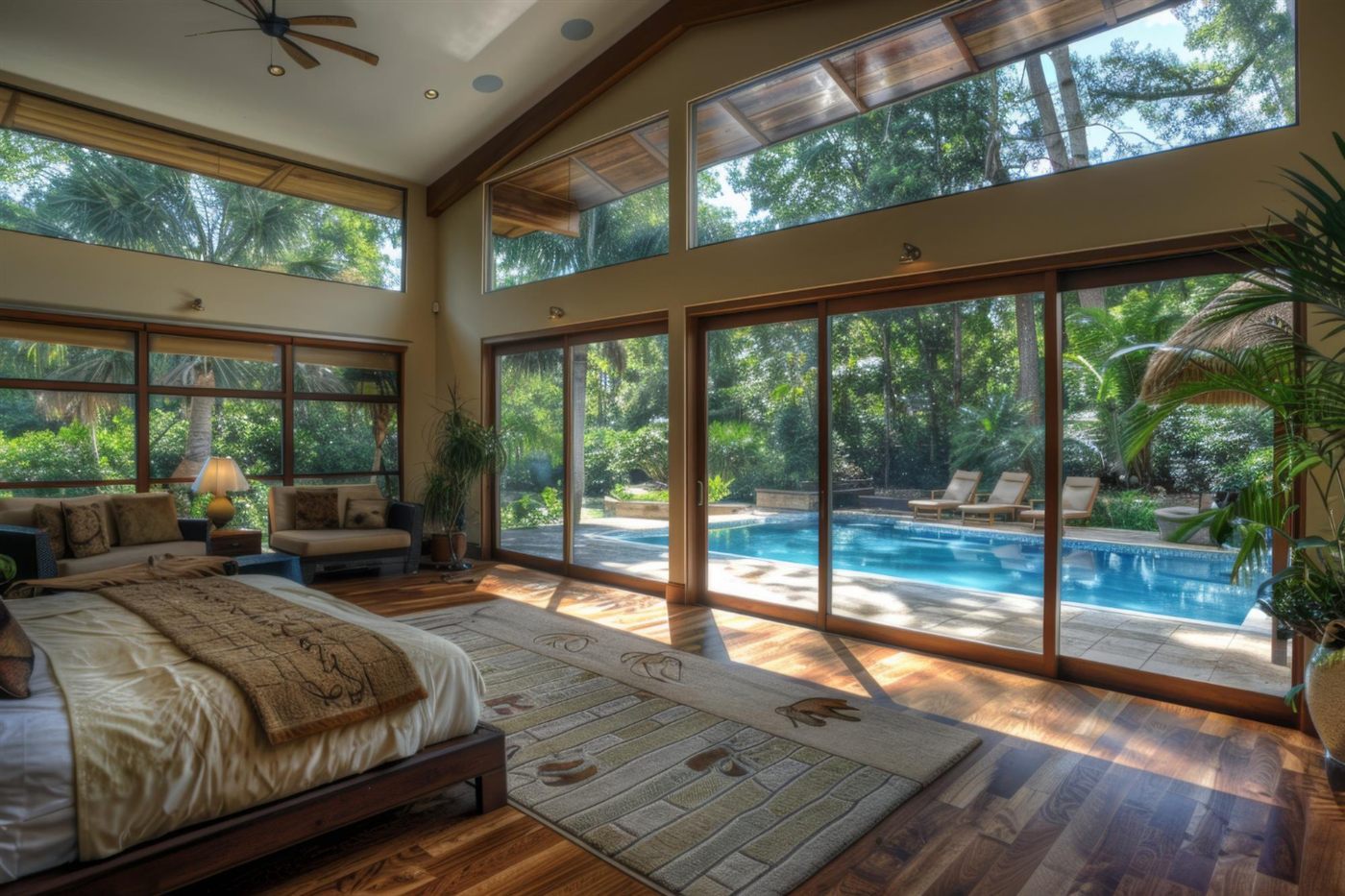
For a high-level louvre, plan how you will operate it, confirm that it has closed and arrange cleaning or service. Motorised controls may solve the reach problem, but they do not remove the need for access. Check all three tasks before settling on the window position.
Start with the person operating it
Identify where someone is likely to stand when adjusting the window. Can they see that it has opened or closed? Will the control be kept in a consistent, accessible place? Ask the supplier to demonstrate the proposed operation from a comparable position where practical.
Motorisation may address the difficulty of reaching a handle. It does not automatically tell you whether the system reports its position or responds from every part of the building. Request confirmation of the functions and practical operating limits.
Plan more than daily adjustment
Cleaning and servicing still require consideration. Ask how the blades, visible components and any concealed operating equipment will be reached. A remote control should not be used as a reason to leave maintenance access unresolved.
Describe nearby stairs, furniture or changes in floor level during the site assessment. The installer needs an accurate picture of the access conditions, and the household should not depend on improvised climbing arrangements later.
Clarify closure and unexpected conditions
Ask how occupants should confirm that the window is closed and what they should do if it does not respond. If the opening is exposed to weather, agree on the normal operating routine. Do not assume a rain sensor or automatic closing function is present.
Keep the model and controller details in the handover record so that a service request can identify the correct opening and equipment. A photograph of the installed position can also help explain access needs.
Review three everyday tasks
- Operate: stand where you expect to use the control and check the proposed arrangement.
- Confirm: establish how you will know the window has finished closing.
- Maintain: identify how a cleaner or service technician can reach the assembly safely.
Write down an unresolved task before ordering. Moving a control is not necessarily a solution to poor access for servicing.
A window is easier to live with when operation and access have both been considered. Use the motorised aluminium louvre planning guide to complete the brief.
Frequently asked questions
Does motorisation solve every problem with a high window?
It may solve daily reach, but cleaning, inspection and servicing still need an access plan. Consider those tasks while deciding the opening position and control arrangement.
How can I check the intended control position?
Ask for a demonstration from the place where you expect to operate the window. Establish how you will recognise that movement has finished and identify any operating limits of the supplied controls.
Can I assume a high window will close automatically when it rains?
No. Automatic weather response needs an expressly included and documented system. Agree on the normal occupant routine unless the supplier confirms the required sensor and closing functions.